
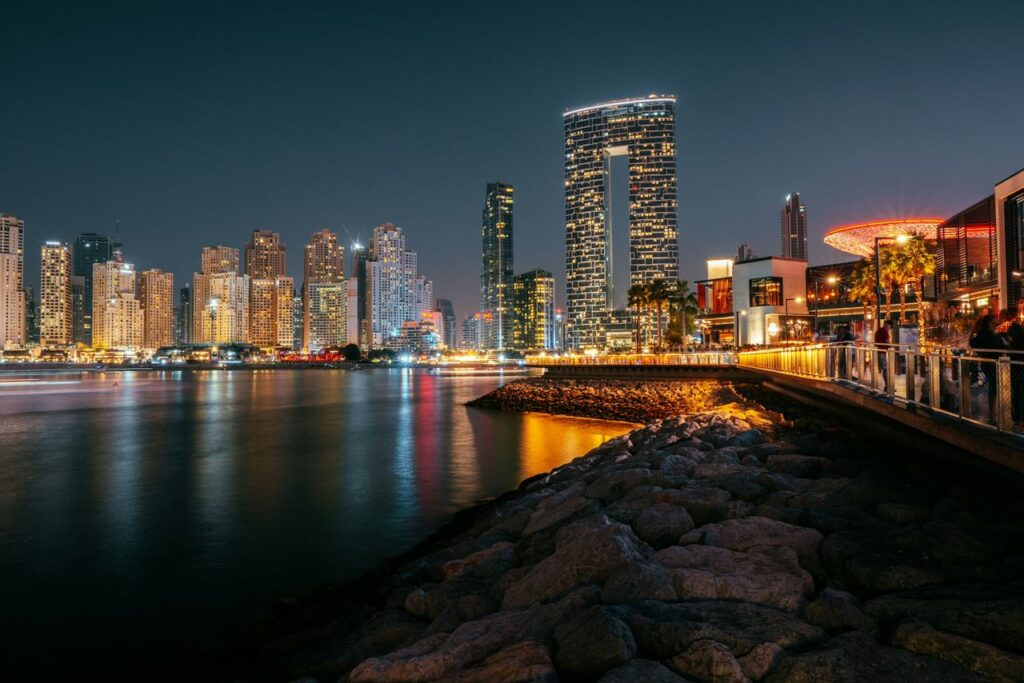
Branded residences are homes that carry a famous name. The name might be a hotel, a fashion house, or an auto brand. In Dubai these branded homes are growing fast. They offer services and design tied to a global brand. For many buyers this equals status and easier renting. This article explains the trend, compares branded units with regular units, gives a clear checklist for due diligence, and shows how branded homes fit different investor goals.
What is a branded residence?
A branded residence is a home that uses a well-known brand for its name and services. The brand sets the design style, concierge level and service standards. Buyers often expect hotel-like amenities, 24 hour concierge and premium fit-out in the units. Branded homes can be apartments or villas. They usually carry higher prices because buyers pay for the brand and the services it promises.
Why branded residences are booming in Dubai
There are clear reasons why Dubai leads the branded residence market today.
Global demand for prestige and service
High-net-worth buyers want both privacy and a service level that matches their lifestyle. Branded homes deliver a familiar hospitality experience in a private setting. This is attractive to overseas buyers who want a known standard. Branded residences also make it easier to market to wealthy renters and short-stay guests.
Strong resale and rental appeal
Branded homes often resell faster in the luxury market. They also attract premium rents. The brand helps agents market the units to global buyers and travelers. For investors who want a prestige asset, branded units can be an easier sale later on.
Dubai’s luxury ecosystem supports the trend
Dubai offers luxury hotels, Michelin dining, private marinas and international schools. These amenities fit the lifestyle that branded residences sell. The city’s status as a global hub brings buyers who want branded homes close to luxury services and transport links.
Branded vs non-branded, the key differences
Use this quick comparison to see how branded homes differ from regular options.
| Feature | Branded | Non-branded |
|---|---|---|
| Typical price | Often 30 to 40 percent premium | Market baseline price |
| Service charges | Higher due to hotel-level services | Lower, residential level |
| Resale demand | Often faster in luxury market | Wider buyer pool but lower premium |
| Management | Brand or hotel operator manages services | Local management company or owners’ association |
[Chart showing the price premium for branded residences compared to non-branded residences in Dubai]
Example branded projects you may preview
- Bugatti Residences, Business Bay
- Why it stands out: distinctive design, private services and a unique brand story. Bugatti-branded units often appeal to buyers who value rarity and high aesthetic standards.
- Mercedes-Benz Places, Downtown
- Why it stands out: automotive design language and integrated smart features. These projects appeal to buyers who want tech and design combined with a strong address.
- Armani Beach Residences, Palm Jumeirah
- Why it stands out: minimalist design and beachfront lifestyle. Fashion-branded homes often attract design-focused buyers and premium renters.
Request the branded residence data pack
How branded homes perform financially
Branded homes can offer both capital growth and rental advantages. But they also carry higher running costs. Here are the main financial points to consider.
Price premium and resale
Branded units commonly sell at a 30 to 40 percent premium over similar non-branded units. The exact premium depends on brand strength, location and unit type. Higher resale prices may offset higher initial cost for some buyers.
Service charges and net yield
Because branded residences provide hotel-style services, service charges are higher. Higher service charges reduce net yields. Always check historic service charge ledgers and a breakdown of what the fees cover before buying.
Rental and occupancy advantages
Branded units are easier to rent to luxury tenants and premium short stay guests. This can raise gross rental yields and lower vacancy. Some brands also offer rental management programs that take care of marketing and bookings.
Due diligence checklist for branded residence buyers
Always run a full check. Use this short list before you sign anything.
- Obtain the brand license agreement. Check how long the brand will be attached to the project and what the brand must provide.
- Ask for a sample service charge ledger and current reserves. Confirm what the service charge covers.
- Review the management agreement. Confirm who runs the services and their track record.
- Check resale comparables for previous branded projects from the same brand or operator.
- Confirm any renter restrictions. Some branded projects limit short-term rentals to keep exclusivity.
How branded residences fit different investor goals
- Hands-off investor: Branded residences suit buyers who want minimal involvement. The brand or hotel operator usually manages rentals, housekeeping and concierge. Expect higher service fees for this convenience.
- Prestige and resale investor: Buyers who want a prestige asset to sell later often choose branded homes. The brand helps attract buyers and may support a faster resale at a premium.
- Yield-focused investor: If your priority is the highest net yield, non-branded options may be better. Branded units can have strong gross rent but higher charges that reduce net yield.
Common pitfalls and how to avoid them
- Do not assume a brand promise equals guaranteed income. Brands do not guarantee rent unless explicitly stated.
- Do not skip the brand license check. Confirm the contract term and exit clauses.
- Do not ignore service charge forecasts. They can rise and affect net returns.
- Do not rely solely on marketing materials. Ask for real historical data and comparable sales.
Short case studies, three buyer stories
Case 1: The convenience buyer
Profile: A buyer wants a second home with concierge and rental management. Outcome: The buyer chose a branded unit with a hotel-managed rental program. The program handled bookings and maintenance, which made the investment low effort.
Case 2: The prestige investor
Profile: An investor wanted a scarce asset to sell after five years. Outcome: The investor bought a branded penthouse in a prime tower. The branded name helped sell at a premium in a short time frame.
Case 3: The yield-focused landlord
Profile: An investor wanted strong net yield. Outcome: The investor chose a non-branded apartment in a mid-market neighborhood. Net yield proved higher after lower service charges and steady rents.
Schedule a private preview of branded units during the next event or in our Dubai office.
FAQ
Q1: Do branded residences cost more to maintain?
A1: Yes. Branded residences usually have higher service charges because they include hotel-style services. Always review the service charge breakdown before buying.
Q2: Are branded residences better for long-term investment?
A2: They can be, if you value prestige and resale speed. Higher service charges can reduce net yield, so run the numbers carefully.
Q3: Can I rent out a branded residence short-term?
A3: Often yes. Some branded projects allow short-term rentals and provide a rental management program. Check the building rules and rental policy first.
Q4: How many branded projects are planned in Dubai?
A4: Analysts report a large pipeline of branded projects in Dubai. Exact counts change as new launches are announced. Use our branded residence data pack for current listings.
Sources
- Read about market trends: Dubai property market records 2025
- Check key events: Dubai Real Estate Events 2025
- Bugatti Residences official landing page
- Mercedes-Benz Places project page
- Savills, Knight Frank and other research on branded residences and luxury trends.
Subscribe to our luxury market alerts for branded projects and launch dates.